

Discover How the Justice System Works
- The path a case takes from arrest through sentencing
- The roles of law enforcement, courts, and corrections
- Factors that contribute to crime and its impact on communities
- Criminal investigations, evidence, and the investigative process
- Laws and policies that guide decisions throughout the justice system
Create Your Foundation in Criminal Justice
Explore the systems, people, and policies that shape the American justice system. From policing and investigations to courts and corrections, you’ll gain a deeper understanding of how the field works and the challenges it faces.
Curriculum and Courses
- CJS 125 Law and the Courts
- CJS 211 Policing in America
- CJS 231 Criminal Procedure
- CJS 271 Introduction to Criminal Behavior
- CJS 281 Corrections in America
Why Choose an Associate Degree in Criminal Justice?
An Associate of Applied Science in Criminal Justice prepares you to navigate the complex legal, ethical, and public safety challenges facing today’s communities. You’ll examine how law enforcement, courts, and corrections work together while developing the ability to evaluate evidence, apply criminal justice principles, and make informed decisions in high-stakes situations. Whether you’re beginning a career in criminal justice or planning to continue to a bachelor’s degree, this program provides a practical foundation for long-term professional growth.
Where Can a Criminal Justice Degree Take You?
Whether you’re planning to start your career or continue toward a bachelor’s degree, you’ll build a foundation for opportunities in law enforcement, corrections, probation and parole, court services, and private security.
Social and Community Service Managers
Plan, direct, or coordinate the activities of a social service program or community outreach organization. Oversee the program or organization's budget and policies regarding participant involvement, program requirements, and benefits. Work may involve directing social workers, counselors, or probation officers.
View Career DetailsPark Naturalists
Plan, develop, and conduct programs to inform public of historical, natural, and scientific features of national, state, or local park.
View Career DetailsDetectives and Criminal Investigators
Conduct investigations related to suspected violations of federal, state, or local laws to prevent or solve crimes.
View Career DetailsPolice and Sheriff's Patrol Officers
Maintain order and protect life and property by enforcing local, tribal, state, or federal laws and ordinances. Perform a combination of the following duties: patrol a specific area; direct traffic; issue traffic summonses; investigate accidents; apprehend and arrest suspects, or serve legal processes of courts. Includes police officers working at educational institutions.
View Career Details3 Ways to Move Forward
Your Criminal Justice associate degree can help you do more than earn a credential. Keep building toward a bachelor’s degree, earn credit for prior learning, or gain valuable experience through programs like Work+ while working toward your goals.
Continue Your Criminal Justice Education
The credits you’ve already earned can help you continue toward a Bachelor of Science in Criminal Justice. Expand your knowledge of the justice system and prepare for leadership roles, graduate study, law school, and additional career opportunities.
Prior Learning Experiences
Have you had life, military or work experiences where you may have gained college level learning outcomes? Miami University has some opportunities that will allow you to apply for college credit for learning gained outside of college. This partnership gives students the unique opportunity for experiential learning, professional guidance to open their own businesses, and so much more.
Work+
Earn your degree debt-free with Work+. Students work approximately 24 hours per week with a Work+ employer, earn an hourly wage, AND have their tuition paid. Pursue Work+ positions with employer partners like West Chester Township, Butler County General Health District, and Fastest Labs.
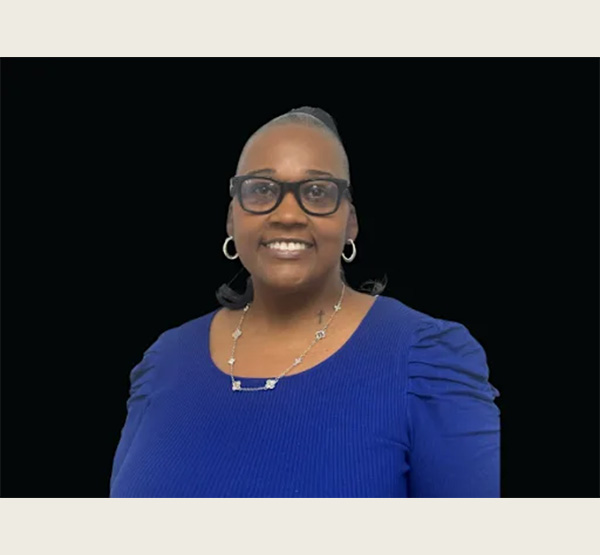
My time at Miami University and the Regionals led me to so many new friendships and connections in organizations, and most importantly, has taught me how to be a difference maker by uplifting those experiencing hard times in my community.
A Proven History of Success
You’ll learn in small classes with a 13:1 student-to-faculty ratio at one of the Midwest’s top public regional colleges while earning a degree that can increase your earning potential beyond a high school diploma.
-
No. 5
- Miami Regionals Top Public Schools on the Regional Colleges Midwest list U.S. News & World Report, 2025
-
18% Higher Earnings
- Those with an associate degree earn a median of $1,099 per week, compared to $930 for high school graduates. U.S. Bureau of Labor Statistics, 2025
Admission and Aid
Discover what it means to be a Miami University student — no matter where you are. Our programs empower you to advance your education and your future with the flexibility you need. And we’ll be here to support you every step of the way as you navigate admission, enrollment, and long-term success.
Related Programs
Miami students are an eclectic mix of thinkers, doers, leaders and followers, introverts and extroverts, authors, painters, climbers, coders, pianists, philanthropists, and gamers. Just to name a few.
Contact Us
Online Admission
On-Campus Admission
Department of Social Sciences and Education
Hamilton Campus
Phelps Hall 103
1601 University Blvd.
Hamilton, OH 45011