

GFP at a Glance
- 35 Credit Hours
- Program Completion: 2.5-5 years (part-time)
- Application Deadline: Jan. 15
Your Classroom, the World
Project Dragonfly, Miami University, Earth Expeditions
Project Dragonfly Facts and Stats
-
92%
- of graduates feel the program met or exceeded expectations. Miami University Data
-
58%
- of graduates report having received a pay increase or promotion due to the program. Miami University Data
-
26+
- long-term relationships with world-class zoos, botanical gardens, and conservation organizations globally. Miami University Data
Which Master’s Degree Is for Me?
The Master of Arts (M.A.) in Biology
This option is for anyone with a bachelor’s degree looking to advance their career through leadership, community engagement, and environmental stewardship. While this is a non-thesis degree, it is rooted in rigorous, applied science. You’ll design and conduct original field studies, often using your own workplace—like a zoo, nature center, or nonprofit—as the base for your research.
The Master of Arts in Teaching (M.A.T.) in the Biological Sciences
Designed for educators, this degree provides real-world experiences that advance educational standards through research-based practices. (Please note: This degree is not a licensure program and does not confer a teaching license). The M.A.T. track brings inquiry-driven science directly into your classroom. You’ll learn to design and run applied research studies right inside your own school or district, supported by our faculty.
Earth Expedition Field Course Locations
Enrolled students travel to important conservation areas to gain first-hand knowledge of local biodiversity and community conservation efforts for the benefit of humans and wildlife worldwide. All courses also involve an ongoing online component in which students interact to make change in their home communities.

Leadership Pathways
Designed to yield real-world conservation impact, scholarly distinction, and career momentum.
By joining Project Dragonfly, you become part of a national network of educators and conservationists who conduct self-driven inquiry, lead community action, publish original research, and secure grants from organizations like NOAA and National Geographic. Whether you want to earn a workplace promotion, advance in zoo or non-profit leadership, or transition into a Ph.D. program, our degree options let you elevate your career while working full-time.

Self-Driven Inquiry and Real-World Action
- Hands-on Research: Perform self-directed inquiry projects tailored to your specific passions—from local wildlife monitoring to evaluating educational programs.
- Grassroots Impact: Partner with schools, nature centers, zoos, or municipal parks to lead biological surveys, habitat restoration, or community sustainability initiatives.
- Workplace Advancement: Connect your assignments directly to your professional goals, helping you develop leadership skills as STEAM specialists, nature center directors, or conservation leads.
Amplifying Your Voice Through Publication
- Publish Your Work: Receive step-by-step guidance from Miami University faculty to prepare and submit original manuscripts to peer-reviewed journals, professional publications, and educational magazines.
- Where Students Publish: Our students regularly publish in respected outlets such as The Science Teacher, Science and Children, Conservation Biology, Zoo Biology, Animal Keepers’ Forum, Current Conservation, and Green Teacher.
Global Community and Career Networks
- Collaborate with Peers: Work side-by-side with a diverse, supportive community of fellow educators, zoo professionals, and conservation leaders across the globe.
- Join a Powerful Network: Connect with our partner network of leading zoos, botanical gardens, and conservation organizations across the U.S. and around the world.
Related Careers
Miami University’s Global Field Program (GFP) prepares students for impactful careers focused on environmental stewardship, community engagement, conservation leadership, and global sustainability.
Zoologists and Wildlife Biologists
Study the origins, behavior, diseases, genetics, and life processes of animals and wildlife. May specialize in wildlife research and management. May collect and analyze biological data to determine the environmental effects of present and potential use of land and water habitats.
View Career DetailsPark Naturalists
Plan, develop, and conduct programs to inform public of historical, natural, and scientific features of national, state, or local park.
View Career DetailsElementary School Teachers, Except Special Education
Teach academic and social skills to students at the elementary school level.
View Career DetailsSecondary School Teachers, Except Special and Career/Technical Education
Teach one or more subjects to students at the secondary school level.
View Career DetailsMuseum Technicians and Conservators
Restore, maintain, or prepare objects in museum collections for storage, research, or exhibit. May work with specimens such as fossils, skeletal parts, or botanicals; or artifacts, textiles, or art. May identify and record objects or install and arrange them in exhibits. Includes book or document conservators.
View Career Details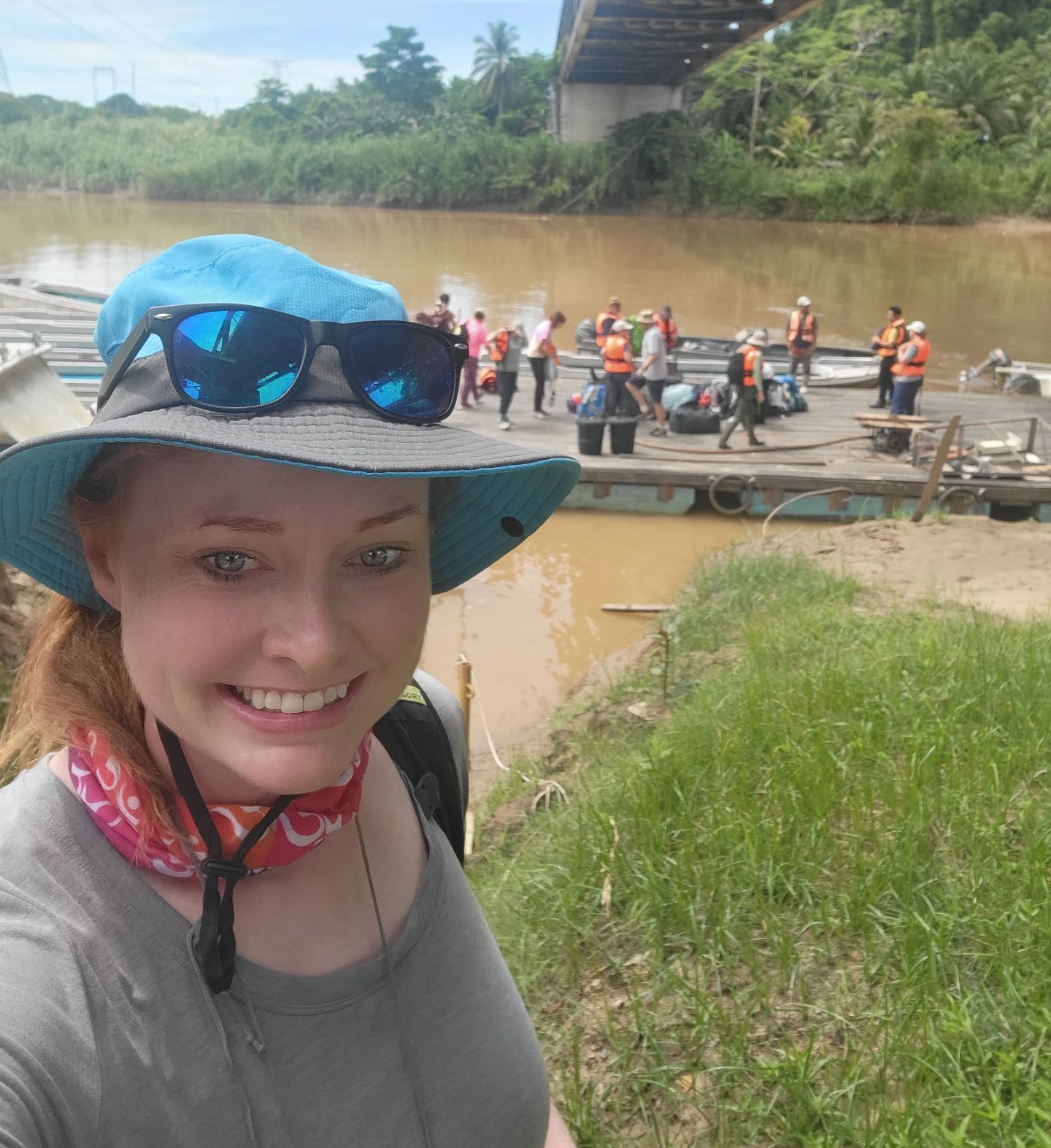
The amazing connections with fellow students I gained through Earth Expeditions have allowed me to meet some of the most inspiring, incredible people I’ve ever imagined.
Tuition, Funding, and Career Support
Making the Dream a Reality
We know that taking the leap into graduate school is a big decision. While our students describe Project Dragonfly as a “dream” program, it is built for the realities of working professionals. We are committed to providing you with transparent cost breakdowns, accessible funding opportunities, and the career support you need to ensure your degree delivers a strong return on investment. Explore the resources below to see how we make your master’s degree entirely doable.

Reduced Tuition and Fees
Get a clear, upfront look at our reduced tuition rates. Both the M.A. and M.A.T. are designed to be highly affordable compared to traditional master’s programs. Explore our per-credit-hour breakdowns and flexible payment plans that allow you to pay as you go.

Funding and Scholarships
Discover the different ways our students fund their education. More than 90% of our students self-finance while working, often utilizing workplace tuition reimbursement or federal financial aid. Be sure to check out our Early Bird Scholarship to jumpstart your journey

Career Support
See exactly how a Project Dragonfly degree translates to the real world. From securing independent grants to publishing peer-reviewed research, our graduates gain rigorous, highly competitive skills. Explore alumni success stories, promotion statistics, and how this degree can elevate your career in conservation or education.
Admission Overview
Project Dragonfly’s master’s programs welcome a diverse community of learners from many different backgrounds and experiences. Whether you are a recent college graduate, someone returning to school after many years, or a professional working in a non-profit, education, business, or government setting, this program is designed to support your growth and goals. Anyone who holds a bachelor’s degree—regardless of their undergraduate major—and is passionate about improving human and ecological communities is encouraged to apply.
Admission Overview
Application Requirements
- Bachelor’s degree from an accredited institution with a minimum 2.75 GPA
- Curriculum vitae/resume
- Two letters of recommendation
- Responses to two essay questions
- No GRE required
- Note: International applicants may be considered on a case-by-case basis; please contact Graduate Admissions at applygrad@miamioh.edu to indicate interest.
Transfer Credits
A maximum of 10 credits total can be transferred: Note: No other credits can be transferred into either program
- Up to 7 credits from past Earth Expeditions
- Up to 7 credits of past AIP Web+ courses
- Up to 9 credits of past core online courses
Admission and Funding
This is Where Your Journey to Miami University Begins Explore what it means to be a graduate student at Miami University, where students prepare to go anywhere and everywhere. We’ll be here to help every step of the way as you prepare for college admission, enrollment, and success.
Contact Us
Graduate Admission
513-529-GRAD (4723)
Project Dragonfly
Spencer Pate, Operations Programs Manager
Upham Hall 111
Oxford, OH 45056